All Categories
Category 01

Concealed Blinds for Windows & Doors

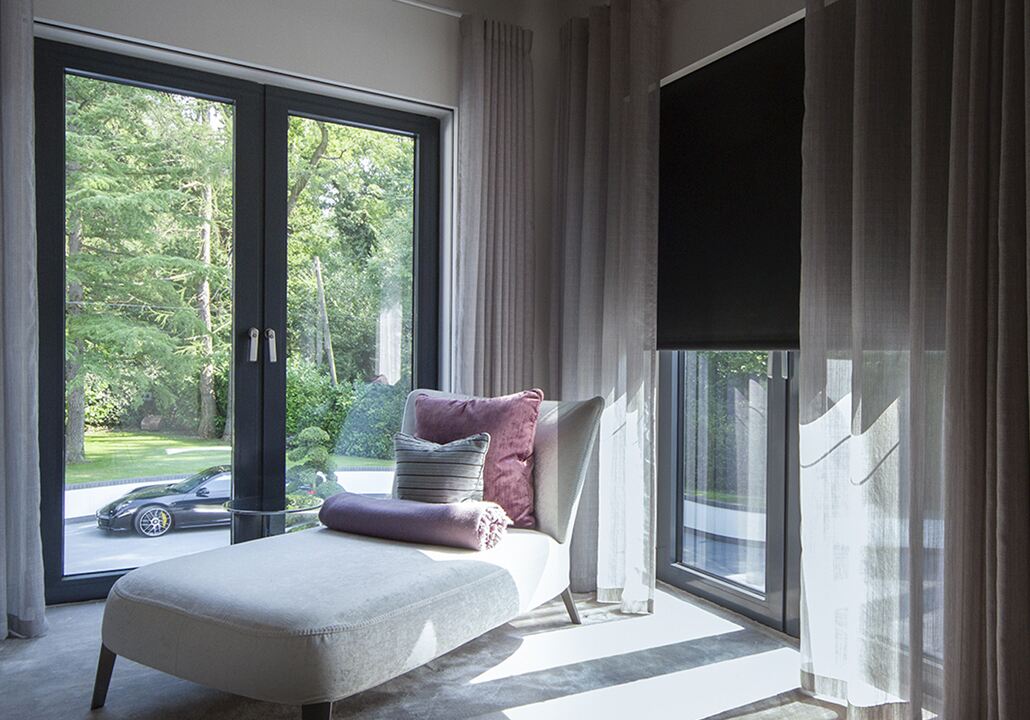
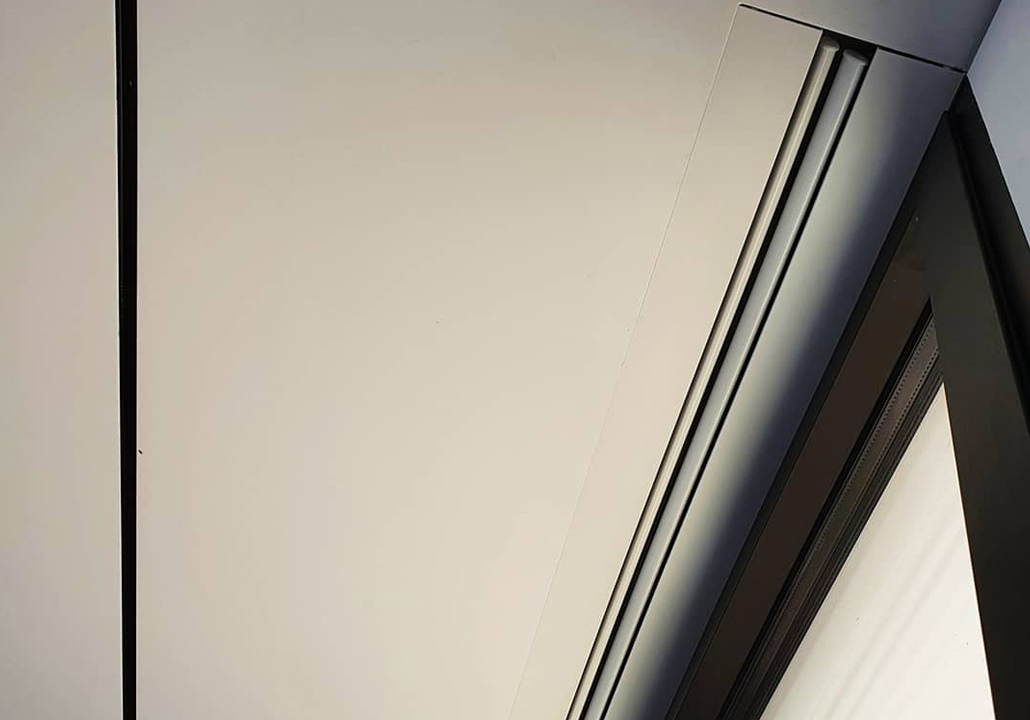
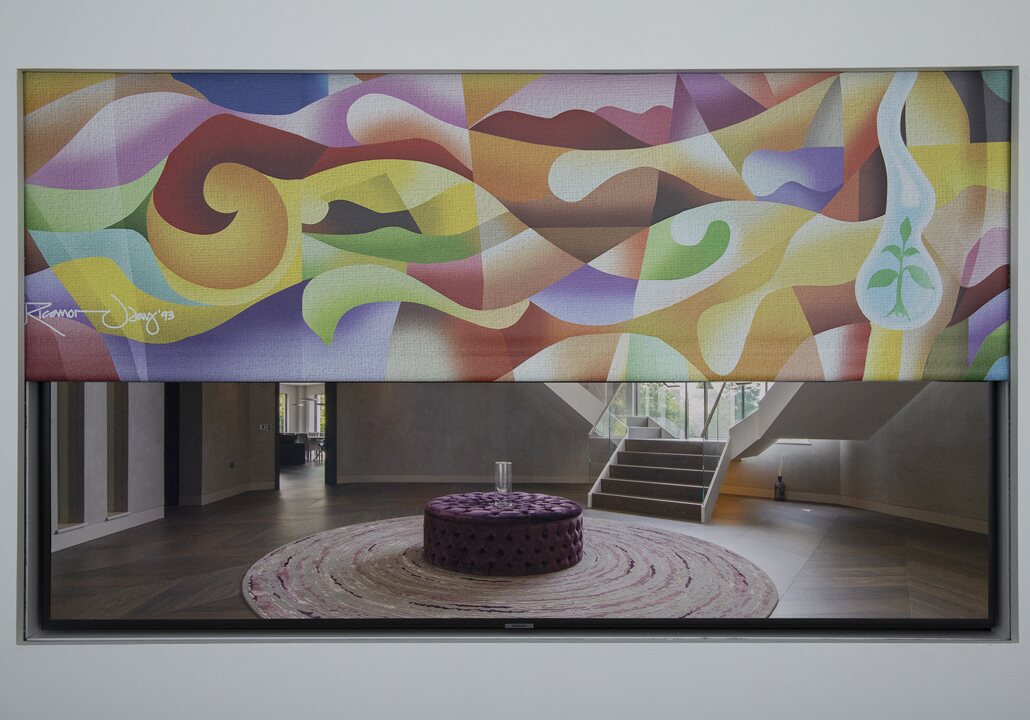
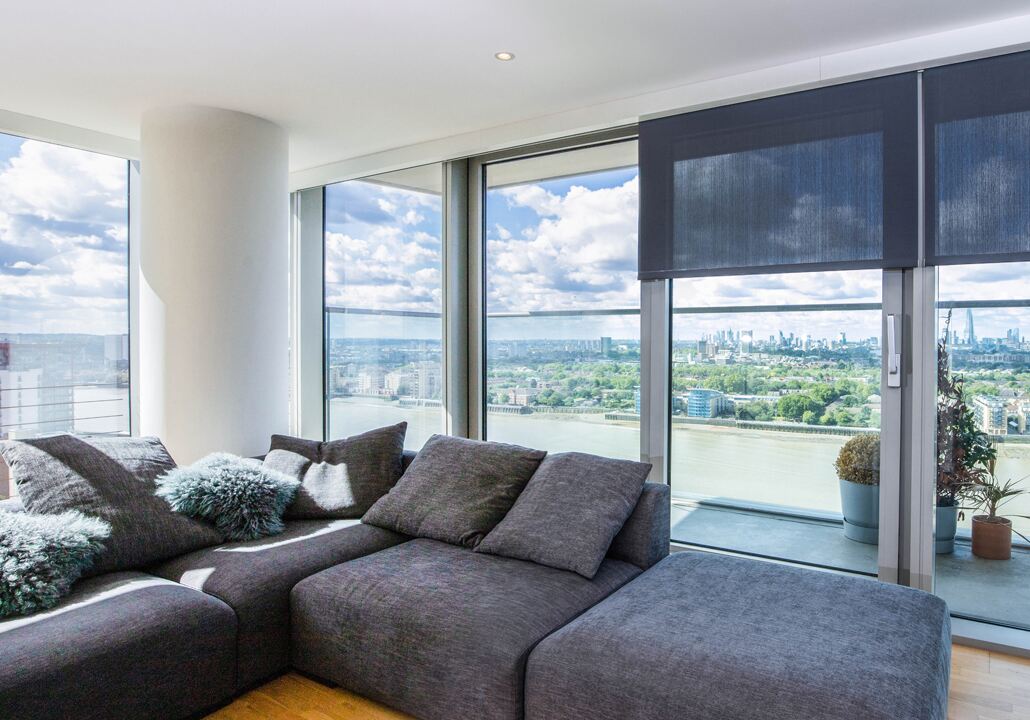
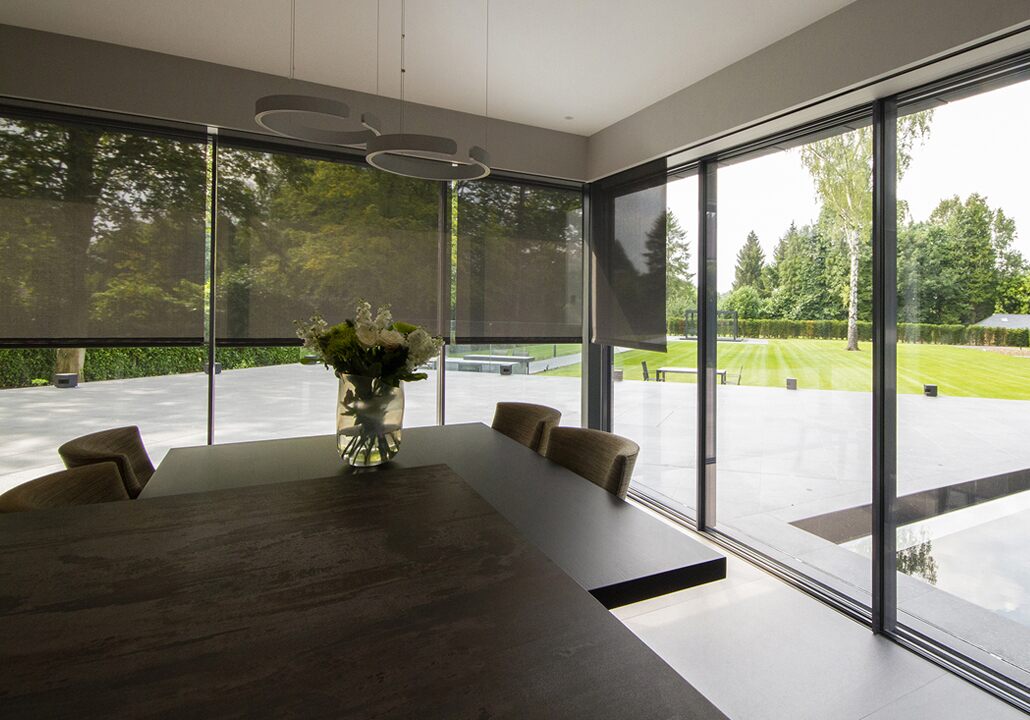
Concealed head boxes for free-hanging roller and cellular blinds across windows, sliding doors and bi-fold doors. Every blind stack lives completely inside the ceiling, leaving the architecture clean. The majority of specifier requests fall into this category.

Configurations

8 Ways to Conceal

Each configuration can be sized to your specific opening. See Technical Drawings and BIM files for exact details.

Free Hanging Roller Blinds
01 — Configuration

Free Hanging Roller Blinds

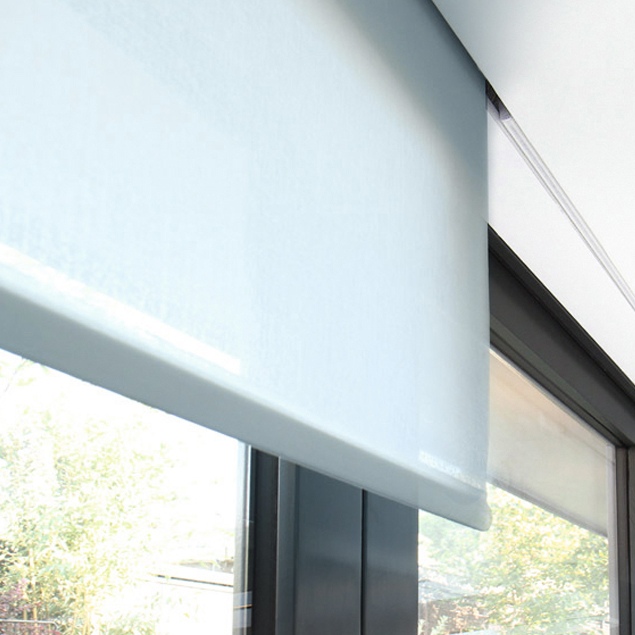
Single roller blind concealed in a head box at ceiling level. The most common concealed configuration.

  • Head box concealed above the ceiling
  • Roller fabric drops freely into the room
  • Compatible with most manual and electric motor platforms
  • Ideal for standard rectangular windows up to ~4m wide
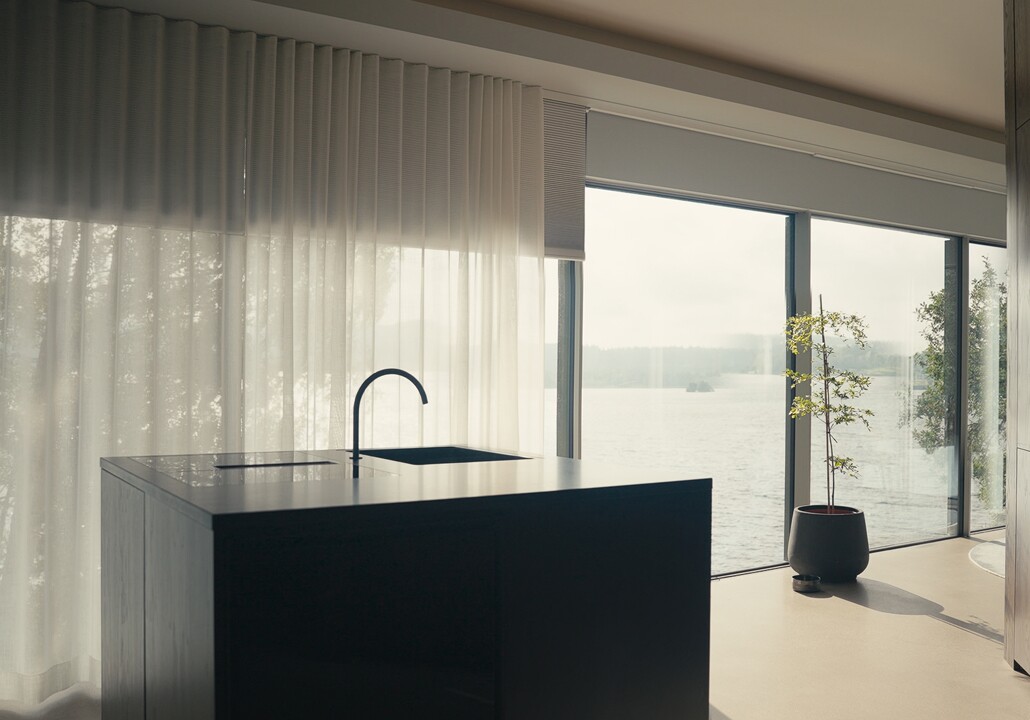
Free Hanging Cellular Blinds
02 — Configuration

Free Hanging Cellular Blinds

Pleated, honeycomb and Duette cellular blinds concealed in taller head boxes to accept the stacked blind body.

  • Sized to the collapsed stack height of the cellular fabric
  • Works with Hunter Douglas Duette, Silent Gliss and equivalents
  • Tall box (typically 140mm+) to receive the stack
Blackout Blinds with Side Channels
03 — Configuration

Blackout Blinds with Side Channels

Fully blackout solution — head box plus recessed side channels to seal the edges and eliminate light bleed.

  • >99% blackout with a correctly specified fabric
  • Side channels plaster-in flush to the reveal
  • Ideal for bedrooms, home cinemas, hospitality suites
Dual Blinds — Stacked
04 — Configuration

Dual Blinds — Stacked

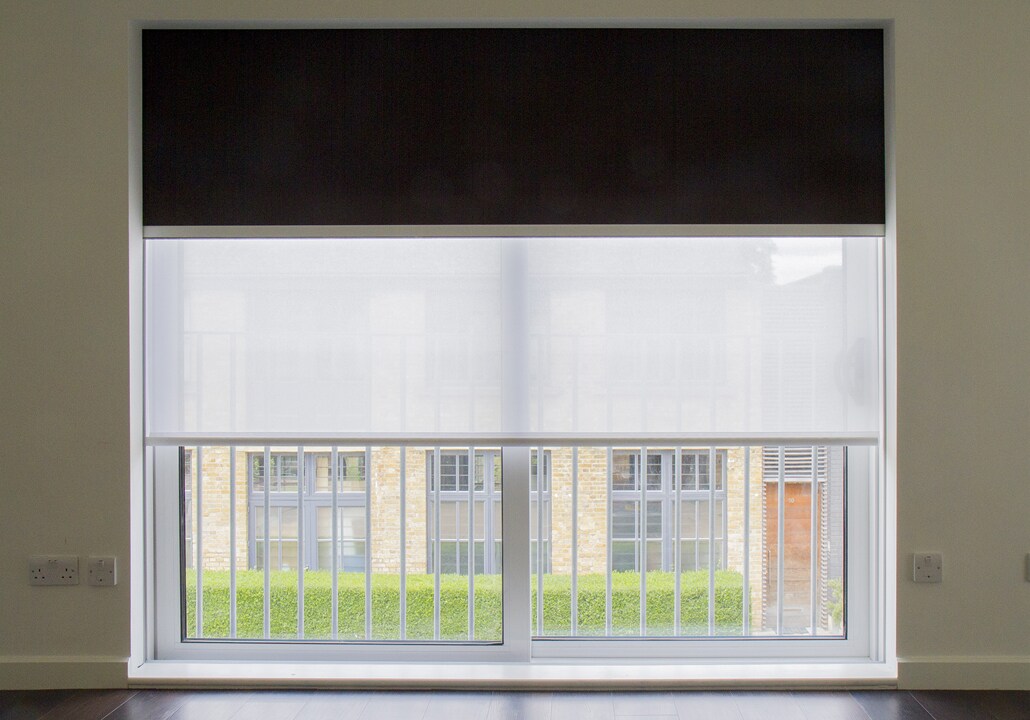
Two blinds (e.g. sheer + blackout) stacked vertically in a single deeper head box — front blind in front, rear blind behind.

  • Single plaster opening, twin rollers inside
  • Switch between day sheer and night blackout
  • Best for wider openings where depth is available
Dual Blinds — Side by Side
05 — Configuration

Dual Blinds — Side by Side

Two blinds mounted side-by-side in a wider head box, each drawing independently across a portion of the opening.

  • Wider but shallower than stacked duals
  • Useful for very wide openings with a motor mid-span
  • Shared drop alignment, independent fabrics
Bottom-Up — Daylight & Privacy
06 — Configuration

Bottom-Up — Daylight & Privacy

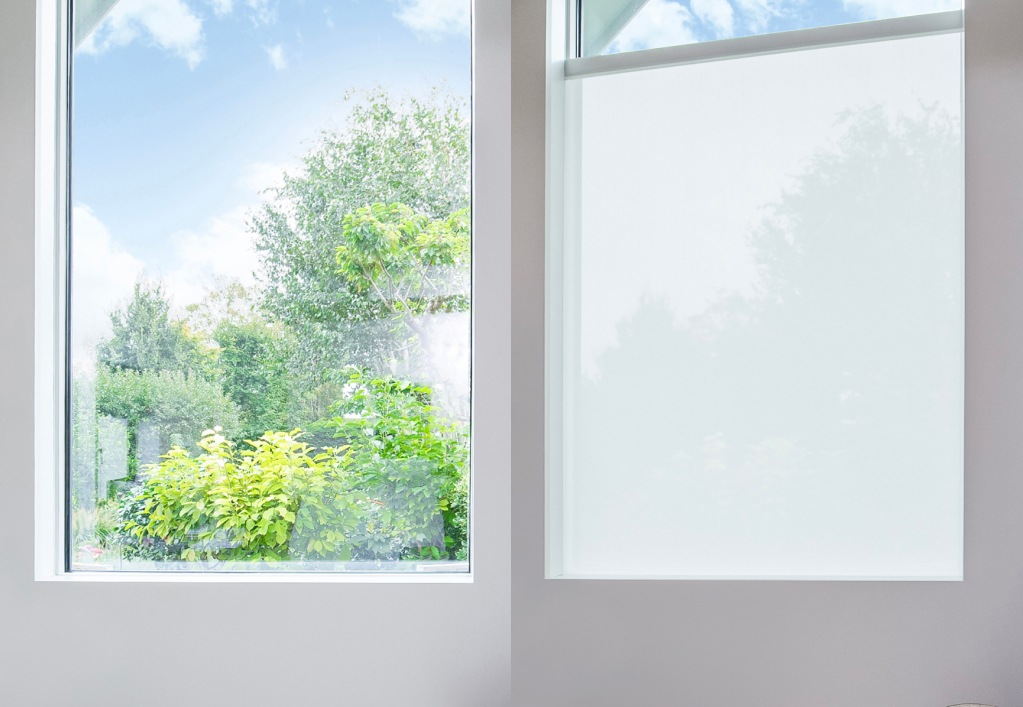
Hem bar box at sill level so the blind rises from the bottom — daylight above, privacy below.

  • Hem bar cassette concealed at sill
  • Blind rises on cords or rails
  • Perfect for ground-floor rooms on busy streets
Special Applications
07 — Configuration

Special Applications

Bespoke head boxes for unusually tall, wide, curved or inclined openings where the standard catalogue doesn’t fit.

  • Custom dimensions to architectural drawings
  • Mitred / butt-jointed corners as required
  • Tailored cable paths and motor accommodations
Retrofitting
08 — Configuration

Retrofitting

The C-Series family of boxes is designed to fit into existing ceilings and reveals with minimal disturbance.

  • Access panel designs for later service
  • Shallow profiles for low-ceiling retrofits
  • Ideal for renovations and tenanted fit-outs
FAQ

Frequently Asked

The questions specifiers and installers ask most often when drawing up windows & doors.

For a standard free-hanging roller blind the head box is typically 100–140mm wide and 100–140mm deep. Cellular stacks need deeper boxes — up to 180mm to accept the collapsed fabric. The exact drawing depends on fabric, roller diameter and motor type.