All Categories
Category 02

Concealed Blinds for Corner Windows

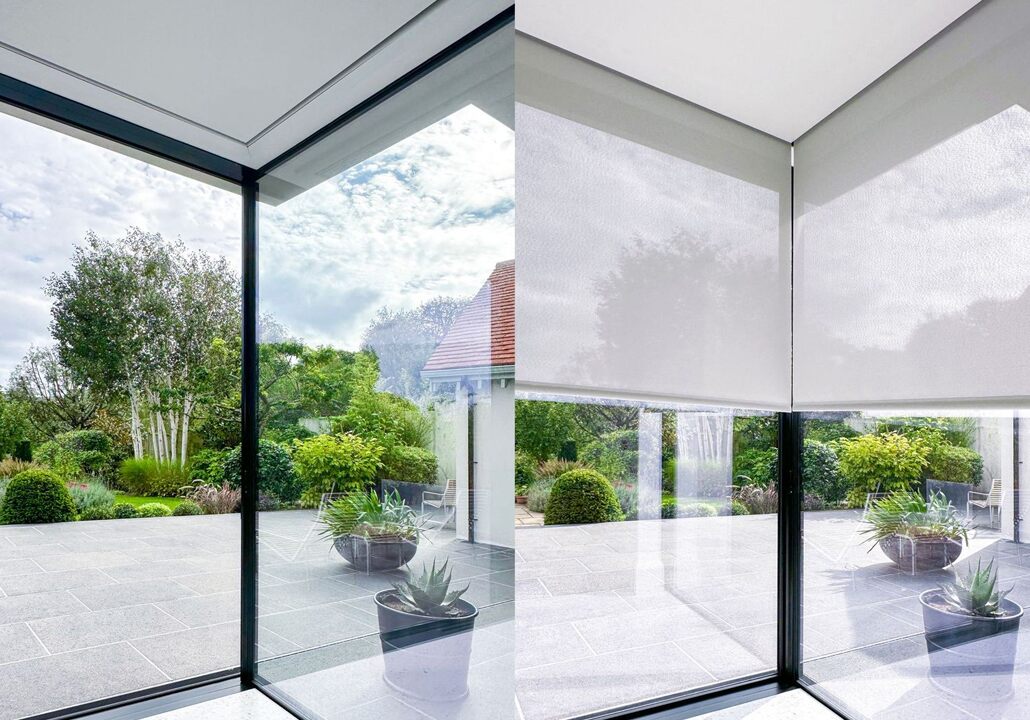
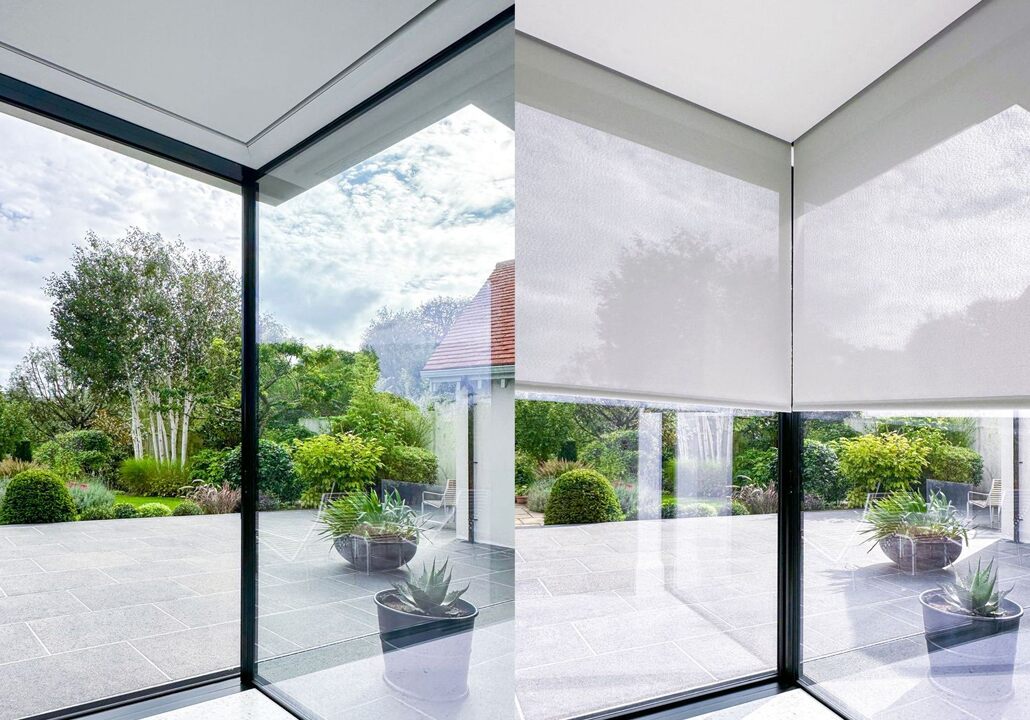
Mitred and butt-jointed concealed boxes turn a corner window into one continuous shading element. Each configuration controls the corner gap, the installation sequence and the way the blind meets the adjacent run.

Configurations

5 Ways to Conceal

Each configuration can be sized to your specific opening. See Technical Drawings and BIM files for exact details.

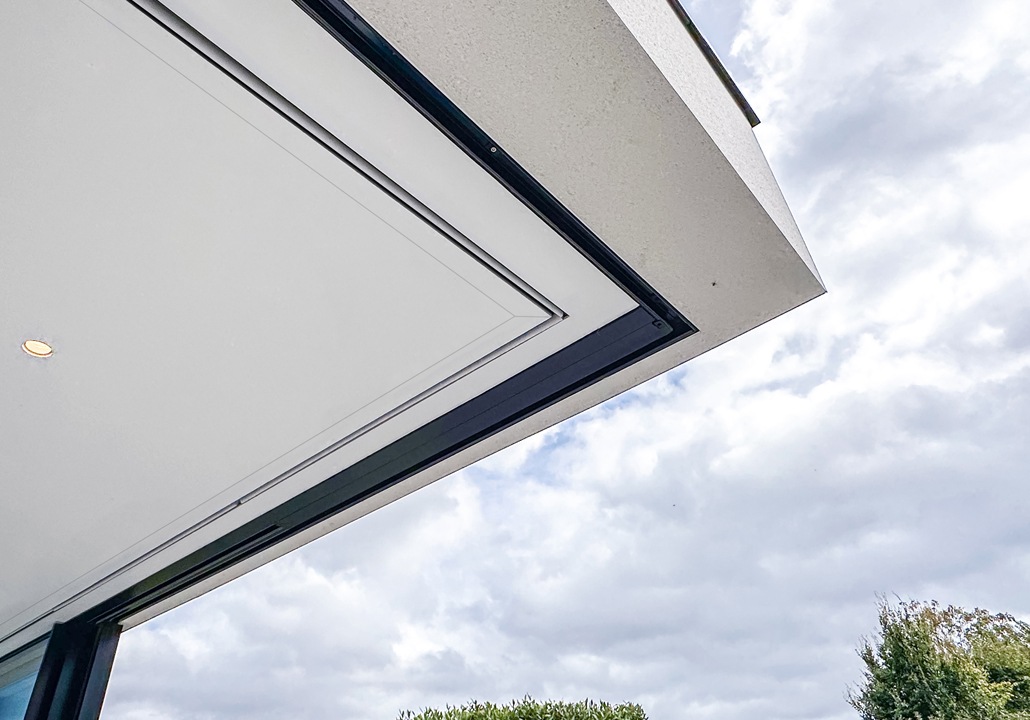
Corner with Mitred Boxes
01 — Configuration

Corner with Mitred Boxes

Two cassettes joined at a clean 45° mitre. The gap visible in the ceiling runs continuously around the corner.

  • Cleanest visible detail — gap wraps the corner
  • Requires accurate site carpentry at the mitre
  • Best for feature corners in architectural projects
Corner with Butt-Jointed Boxes
02 — Configuration

Corner with Butt-Jointed Boxes

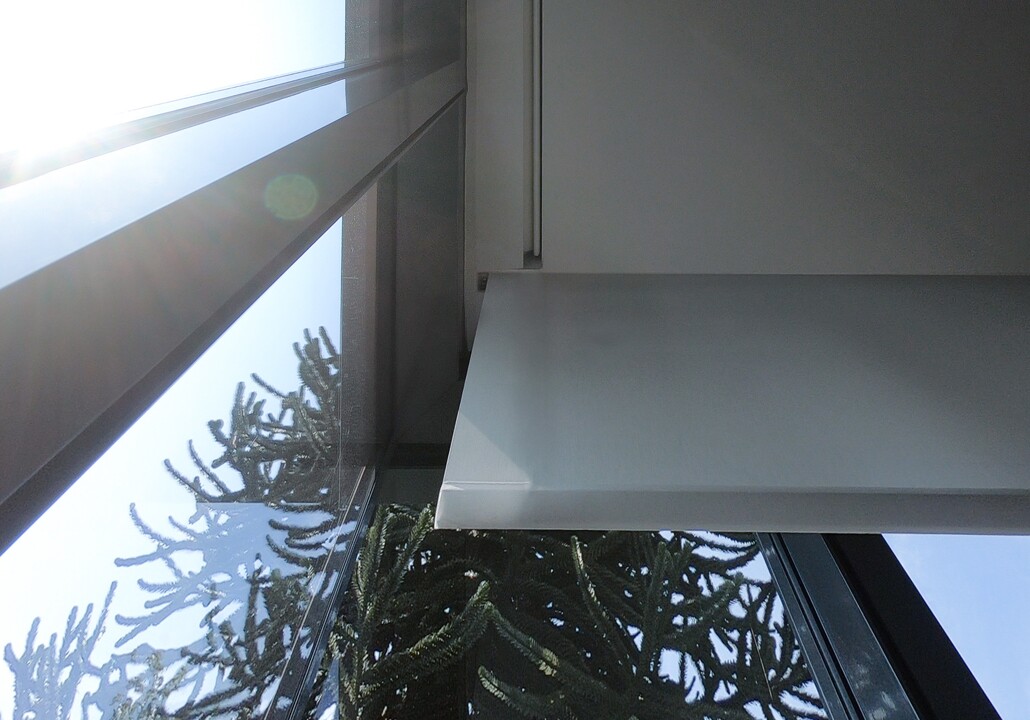
One cassette runs full-length and the second butts into its side — faster on site but a small butt joint is visible.

  • Simpler to set out on site
  • Butt joint tucked into the shortest visible run
  • Recommended where a mitre would be fragile
Double-Height Corner Boxes
03 — Configuration

Double-Height Corner Boxes

Deeper corner cassettes that accept stacked cellular or very long roller drops in tall corner openings.

  • For double-height voids and atrium corners
  • Extended stack capacity in both directions
  • Motor accommodations at the far ends
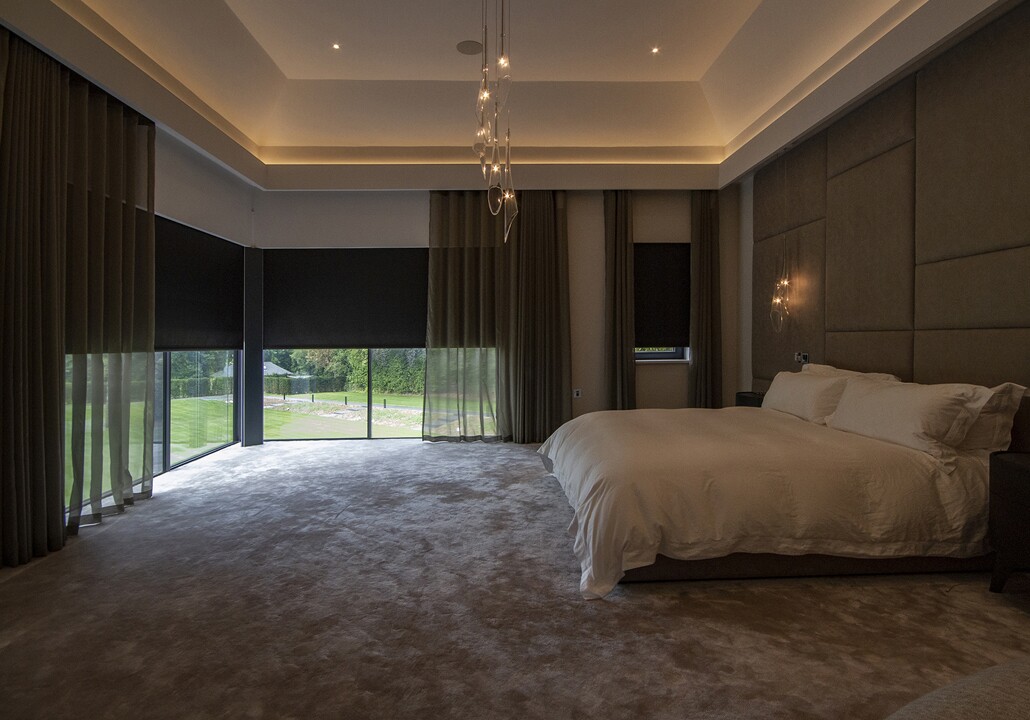
Blackout Blinds in Corner Windows
04 — Configuration

Blackout Blinds in Corner Windows

Corner-wrapped head boxes plus recessed side channels for a full blackout seal around both walls of the corner.

  • Corner-mitred side channels
  • Light-tight detailing at the join
  • Used in bedrooms and cinema corners
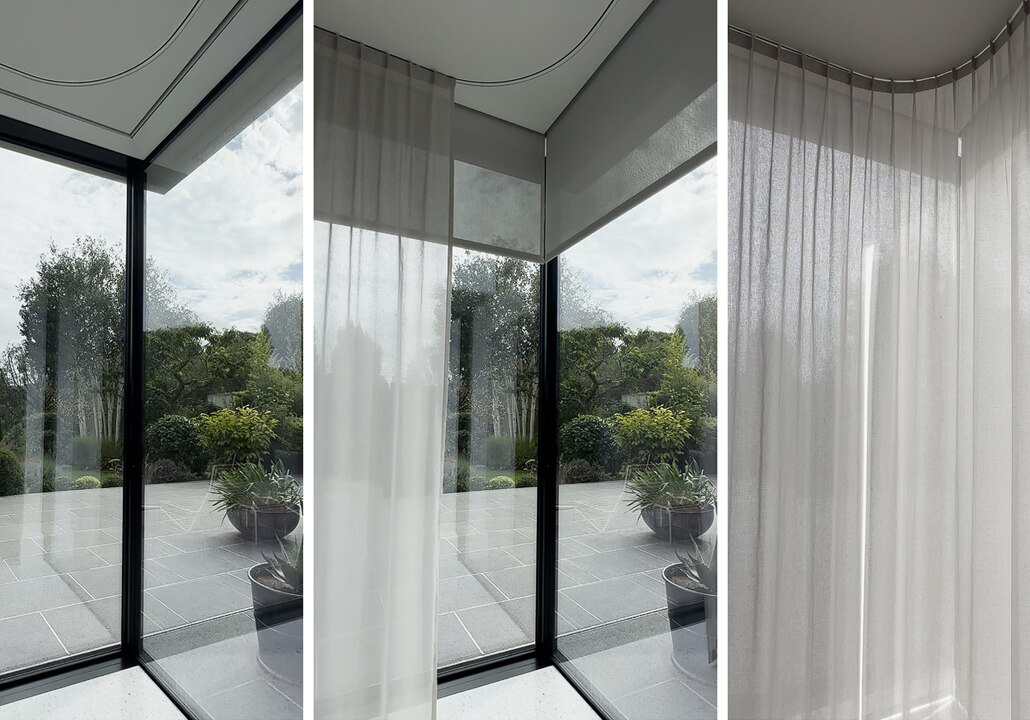
Corner with Blinds & Curtains
05 — Configuration

Corner with Blinds & Curtains

Concealed blind in a head box paired with a recessed TrackTrim curtain track — shading by day, soft curtain by night.

  • Dual plaster opening — blind front, curtain behind
  • Independent control of each layer
  • Signature BlindSpace pairing for residential projects
FAQ

Frequently Asked

The questions specifiers and installers ask most often when drawing up corner windows.

A mitred box meets the corner at 45° — the ceiling reveal gap wraps continuously around the corner and looks the cleanest. A butt-joint has one cassette running past the other, which is faster and more forgiving on site but leaves a small butt line in the ceiling.